“THINGS” A. RENGER-PARTZSCH AT JEU DE PAUME
In addition to his role in the artistic movement known as New Objectivity, which emerged in Germany in the early 1920s, in the present day Albert Renger-Patzsch (1897-1966) is considered one of the most important and influential figures in the history of 20th-century photography.
SHARE THIS ARTICLE “THINGS”, Albert Renger-Partzsch, through 21 February 2018, Jeu de Paume, Paris www.jeudepaume.org/
The aim of this exhibition is to rediscover and pay tribute to the legacy of this unique photographer in the conviction that his work offers a context for encouraging reflection on the nature and artistic and speculative potential of photography within the framework of contemporary art and culture.
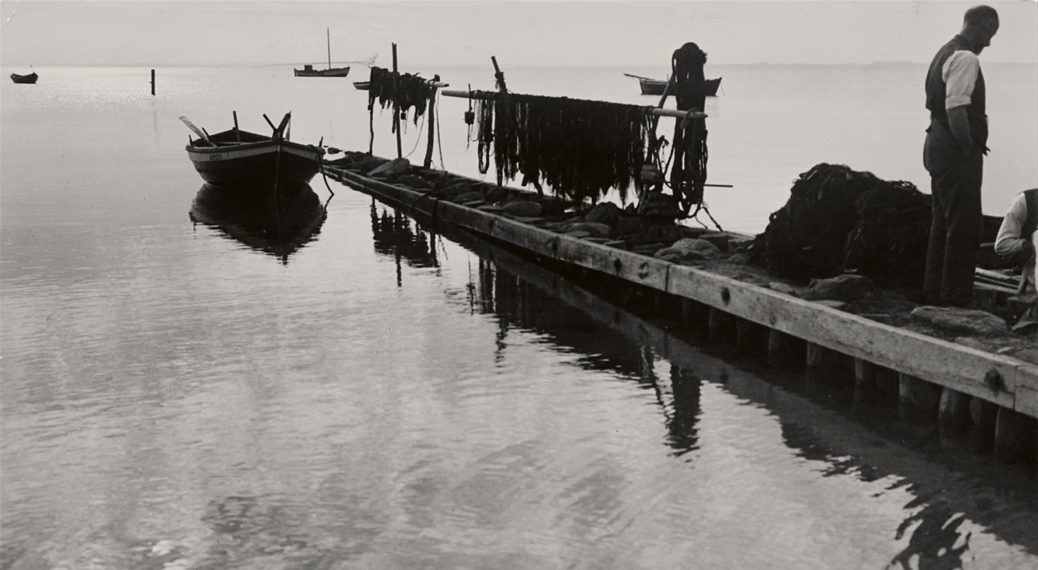
Of enormous simplicity and originality, Renger-Patzsch’s photography is notable for being based on a documentary style that prioritised realist sobriety and frankness as fundamental characteristics of photographic representation.
In other words, his work offers a rigorous approach in technical and formal terms, in which the camera is only used to intensify our vision and aware of things. For Renger-Patzsch, this not only explained his photographic procedures but above all the potential for an aesthetic and conceptual identity for photography that visibly distanced itself from the Pictorialist legacy and from the hybrid experimentalism characteristic of the early 20th-century avant-gardes.
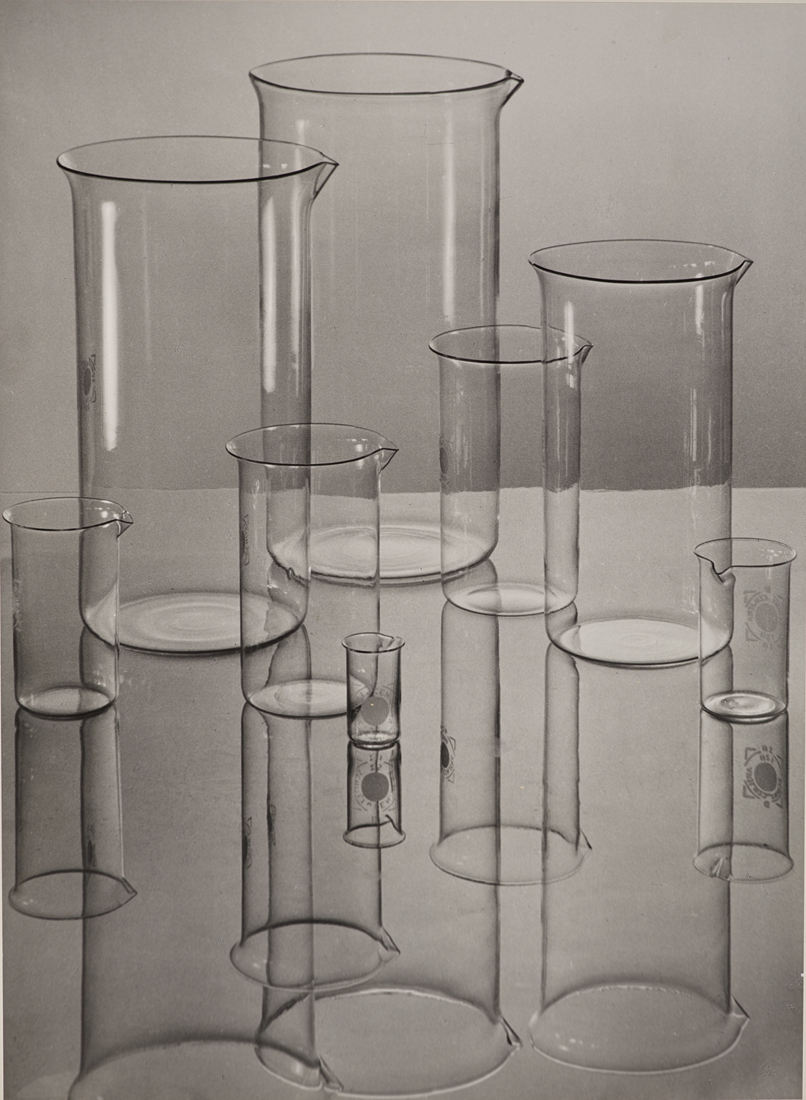
This retrospective aims to encompass the principal themes, periods and genres that define Renger-Patzsch’s photographic output through the identification of three moments that are fundamental for an understanding of his career: firstly, his early years, from his photographs of plants taken for Folkwang/Auriga publishers, to the profusion of themes and photographic eclecticism which would be decisive for the creation of his book Die Welt ist schön (The World is beautiful) of 1928.
The period that began after his move to Essen was one of intense photographic creation on the Ruhr area, principally involving subjects associated with places, buildings and industrial objects. Finally, the years after World War II reveal a new interest in the themes of nature and landscape particularly trees and rocks.
.
.
READ MORE FROM ART & PHOTOGRAPHY
SEBASTIAO SALGADO – EPIC MOMENTS
In an aesthetically impressive, large format series photographer Sebastiao Salgado shows us the overwhelming result of an exraordinary expedition: “Amazonia”. Raising awareness of the last untouched corners of the earth…
“THE SWIRL” – PAINTINGS & DRAWINGS OF MANI NEJAD
Berlin and London based artist Mani Nejad has been developing his Brain Blitz series over a period of several years. It’s a comprehensive suite of delicate works weaving together various media …

“DARKNESS VISIBLE” – A PHOTOGRAPHIC STUDY BY MANI NEJAD
Darkness Visible is a visual journey through urban landscapes portraying their structural and formal qualities. Conceived as a black and white study it presents a narrative of fictional minimalism that is drawn from real places in present time…