“CRITICAL ZONE” LANDSCAPES BY KATHERINE WOLKOFF
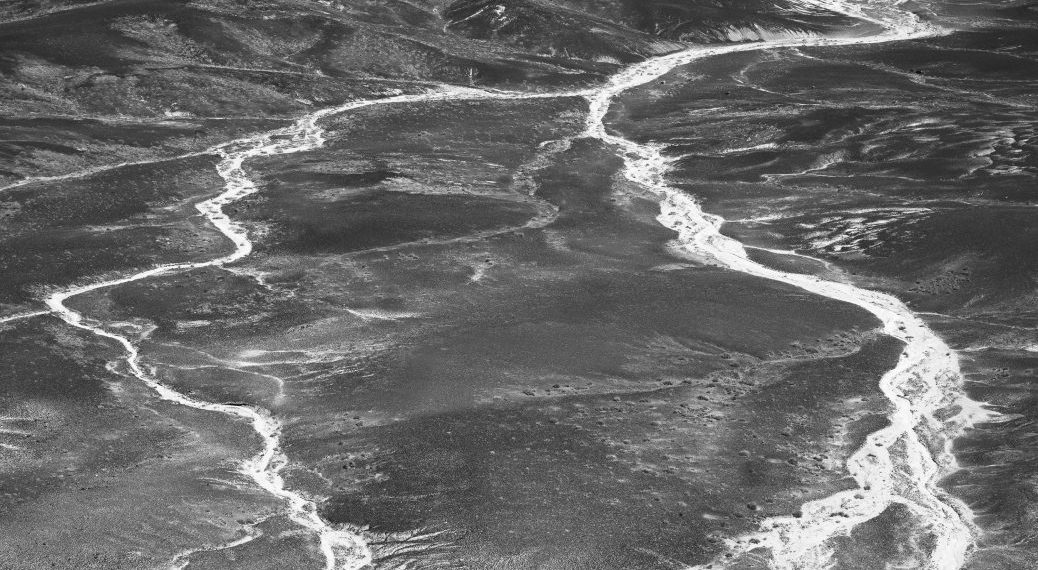
The Critical Zone presents new landscape photographs by Katherine Wolkoff that describe the geological, botanical and zoological markings visible in “the critical zone,” earth’s permeable layer which extends from the tops of the trees to the bottom of the ground water.
Scientists argue that this zone—where rock, soil water and air meet—will characterize the future environmental health of the earth.
Like a scientific researcher, Wolkoff travels to public lands throughout the United States to photograph the landscape of the critical zone. She uses a range of techniques from the 4×5 view camera to a flatbed scanner, utilizing subjective post-production techniques that expand the photography beyond science. The work in this show is notable that it is her first body of black and white photographs.
The elements collected for these photographs show millions of years of geologic change—from evidence of sliding glaciers to traces of disappeared oceans. Today, these places are being affected in new ways due to rising temperatures and the effects of climate change in our current epoch, the Anthropocene. Black sand is churned up by hurricanes, invasive insects consume trees, and icebergs melt in plain sight.
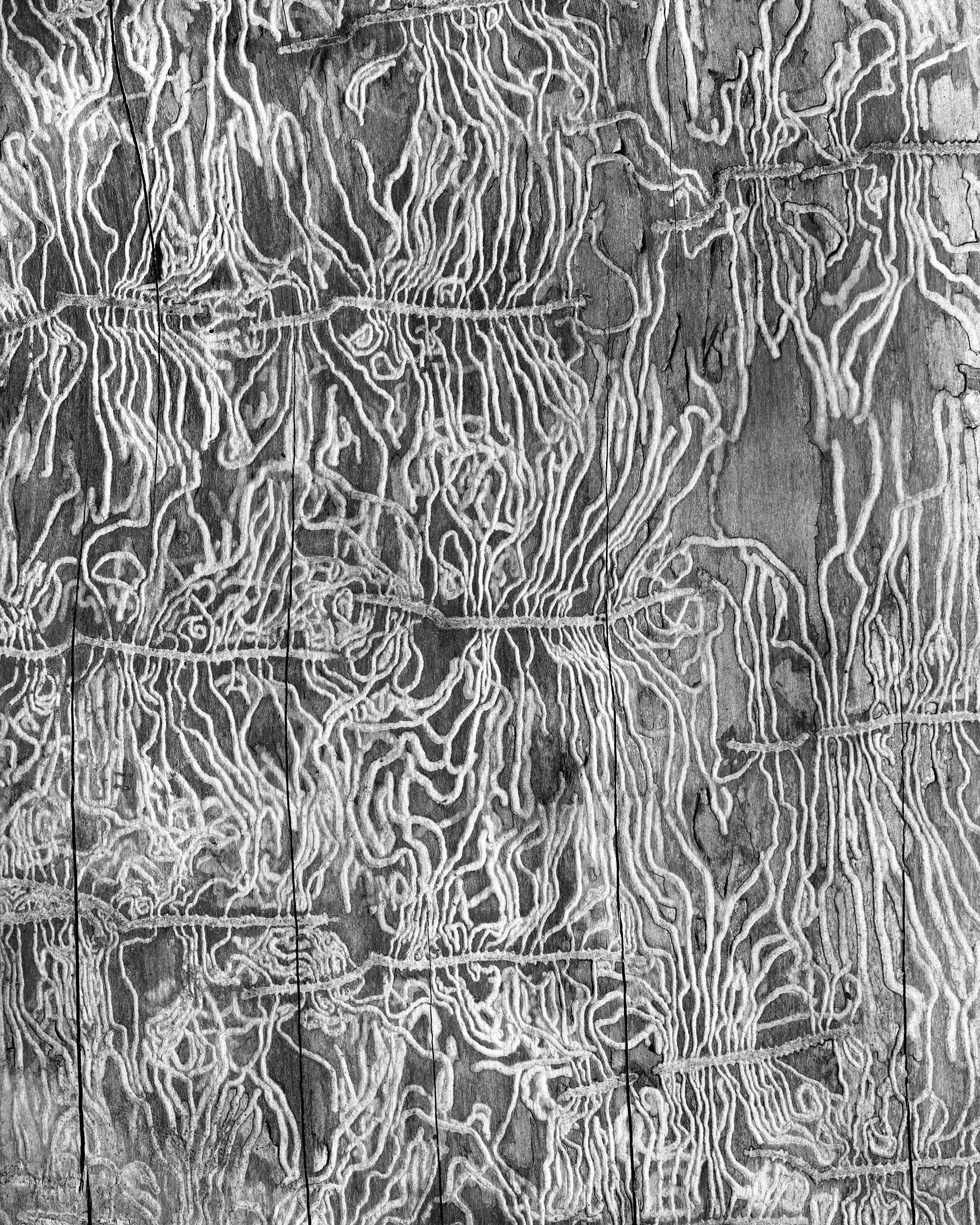
The photographs in The Critical Zone leave the viewer unsure about where they stand, the scale and point of view are vertiginous. It is also unclear what the future holds for the state of the natural world.
Katherine Wolkoff was born in 1976 in Indiana and received her MFA from Yale University, where was the winner of the Richard Dixon Welling Prize.
Wolkoff photographs range from the miniature landscapes of Deer Beds to Birds, a series of silhouettes of taxidermied birds amassed by naturalist and educator Elizabeth Dickens in the early 20th century. Much of her work turns around dichotomies of absence and presence, as in the deer whose sleep is invoked in matted grass on Block Island or the specter of life in the colorless yet dynamic outlines of stuffed birds.
At times Wolkoff uses light and perspective to skew our traditional view of an object; other times she confronts a scene with forthright, often understated directness, allowing its unmediated presence to convey a strangeness that is by turns eerie and comforting.
.
.
READ MORE FROM ART & PHOTOGRAPHY
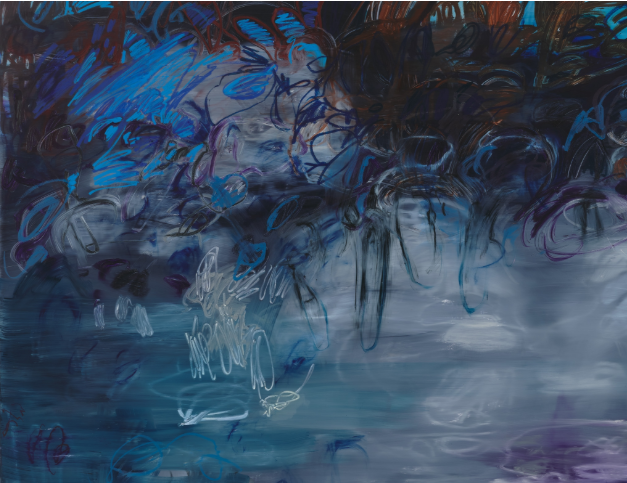
JANAINA TSCHÄPE AT MAX HETZLER GALLERY BERLIN
Richly painted using large scale oil sticks in addition to the water-based pigments she previously employed, it marks a fresh direction in Tschäpe’s oeuvre. This material shift allows the artist to “draw” as one would with a pencil or pastel,…

“DARKNESS VISIBLE” – A PHOTOGRAPHIC STUDY BY MANI NEJAD
Darkness Visible is a visual journey through urban landscapes portraying their structural and formal qualities. Conceived as a black and white study it presents a narrative of fictional minimalism that is drawn from real places in present time…
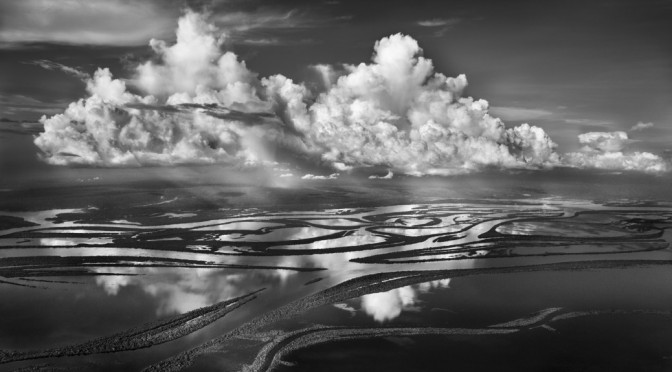
SEBASTIAO SALGADO – EPIC MOMENTS
In an aesthetically impressive, large format series photographer Sebastiao Salgado shows us the overwhelming result of an exraordinary expedition: “Amazonia”. Raising awareness of the last untouched corners of the earth…