ORI GERSHT _ FLOATING WORLDS AT BEN BROWN GALLERY LONDON
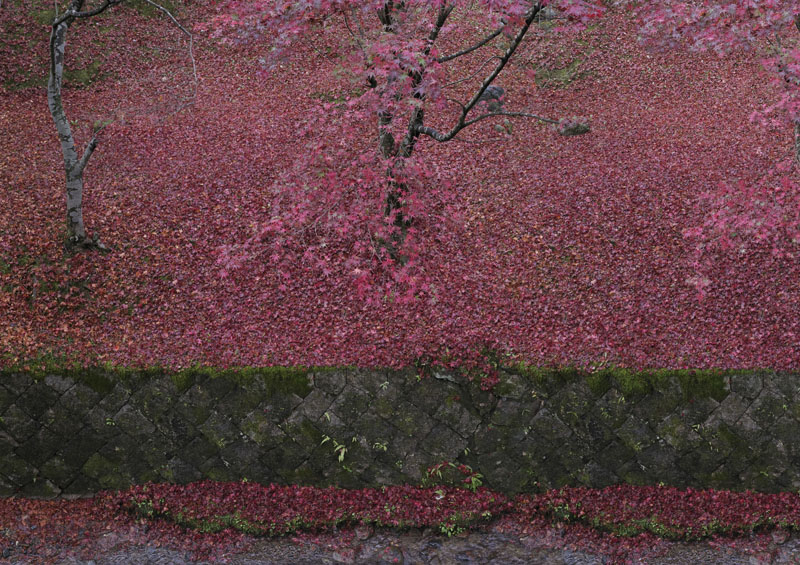
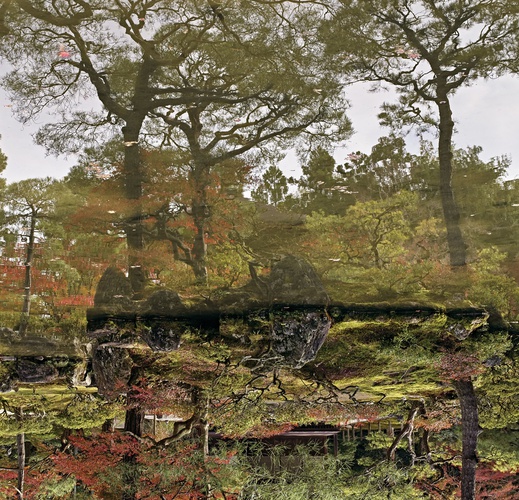
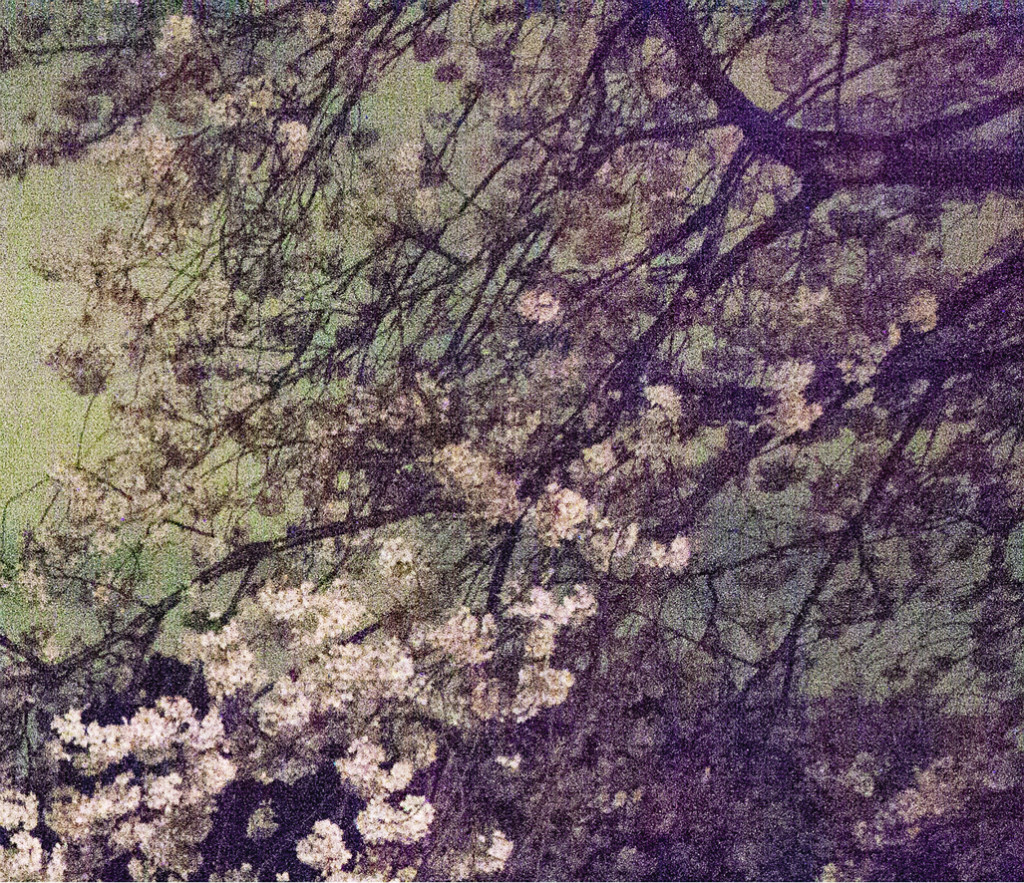
Floating Worlds debuts Ori Gersht’s latest body of work – a series of photographs portraying the ancient gardens in Buddhist Zen temples in and around Kyoto.
The exhibition, now on show at Ben Brown Fine Arts London, features stunning large scale photographs alongside a film from Gersht’s renowned On Reflection suite that was inspired by early seventeenth-century paintings by Jan Brueghel the Elder and is presented on three screens as a film installation.
SHARE THIS ARTICLE
“Floating Worlds”, Ori Gersht, Ben Brown Fine Arts, London, through 16 June benbrownfinearts.com
Working from his London studio, the artist has gained international recognition over the past fifteen years for his eye-catching still-lifes and landscapes, in which he revisits history, journeys and places often defined by trauma. Tensions between past and present, beauty and violence, creation and destruction continue to inhabit Gersht’s distinct visual language, expressed through a set of coded references and metaphors.
His iconic landscapes include the After War series (1998), taken in Sarajevo at the end of the war in Bosnia; the White Noise series (2000), shot from the train between Krakow and Auschwitz, with its abstract imagery eerily capturing the passing of time; and more recently Evaders (2009), where Gersht retraces the steps of his muse Walter Benjamin’s fateful journey across the Pyrenees.
Contrary to these landscapes series Gersht takes more visible cues from art historical masterpieces in his still-lifes, uniting influences from Spanish and Dutch still-life painting with new technologies. Although highly choreographed he allows his camera to capture the accidental, using subtle metaphors to explore the transcience of life.
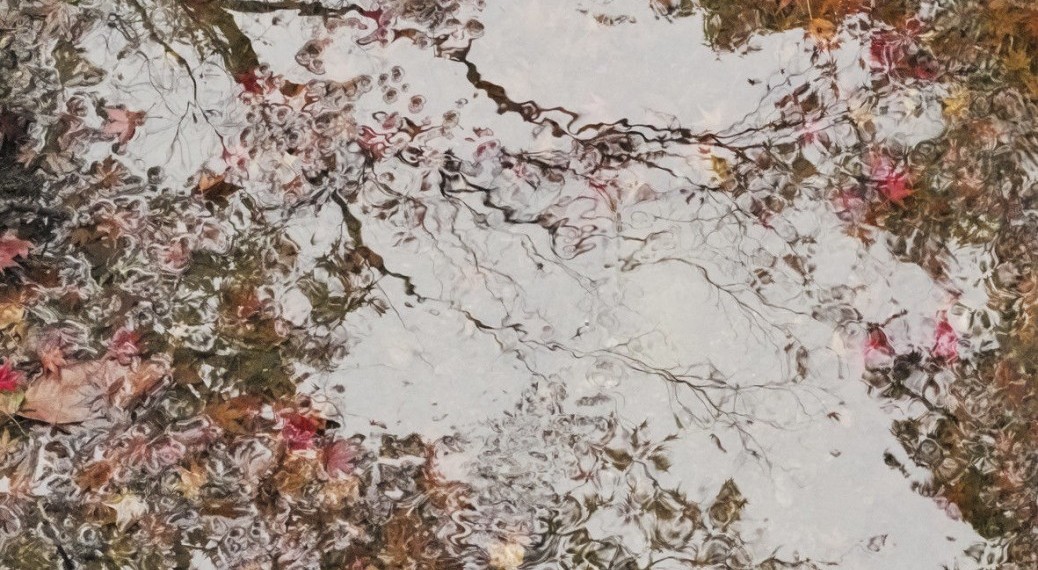
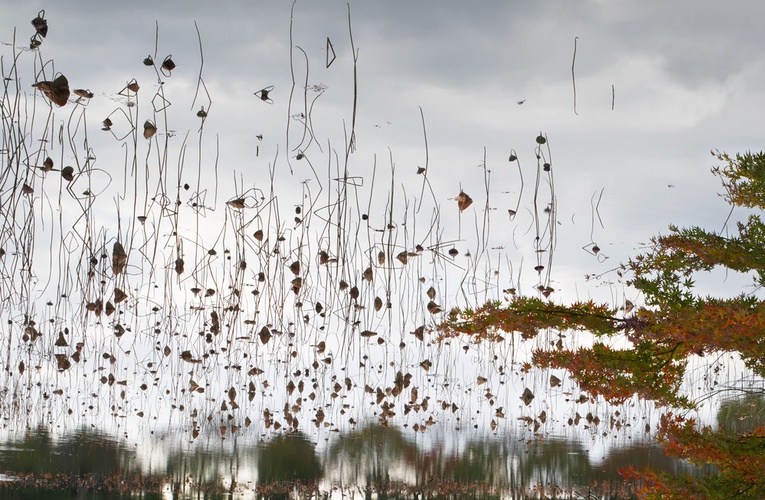
In November 2015 Gersht began work on his Floating World series in Japan, visiting and photographing the ancient Zen gardens in and around Kyoto. Created to reflect the essence of nature and as aids to meditation, these gardens are places where time stands still and history is palpable. For Gersht they represent an alternative to our image saturated ‘world in flux’.
Gersht focused his lens on water reflections and during the post-production process seamlessly fused reflections with the reflected world by inverting and overlaying his photographs to create illusions and a new reality, hovering between what he calls the virtual and material. In these works we are presented with the absence of the object of representation whereby the photograph becomes the thing that exists, an image of the folding of space and time. Much like in his earlier landscape series, Gersht intends to document something that is not physically present.
[frontpage_news widget=”1648″ name=”MORE FROM ART & PHOTOGRAPHY”]
READ MORE FROM ART & PHOTOGRAPHY

“DARKNESS VISIBLE” – A PHOTOGRAPHIC STUDY BY MANI NEJAD
Darkness Visible is a visual journey through urban landscapes portraying their structural and formal qualities. Conceived as a black and white study it presents a narrative of fictional minimalism that is drawn from real places in present time…
“THE SWIRL” – PAINTINGS & DRAWINGS OF MANI NEJAD
Berlin and London based artist Mani Nejad has been developing his Brain Blitz series over a period of several years. It’s a comprehensive suite of delicate works weaving together various media …

Michel Perez Pollo – Sculptured Paintings
“Bolero” is the latest series of paintings by Cuban-born, Madrid-based painter Michel Pérez Pollo, comprising large- and small-scale paintings of abstracted glyph-like forms in rich, earthen hues. The title “Bolero” is drawn from the eponymous Cuban musical genre, which developed…